Essential Maintenance Points for Ship Generator Control Cabinet |How to Avoid Ship Blackout Accidents Caused by Control Circuit Faults
Such faults may further deteriorate into serious marine accidents, especially during vessel berthing and unberthing operations.
PART I — Reliable Systems Greatly Ensure Ship Navigation Safety
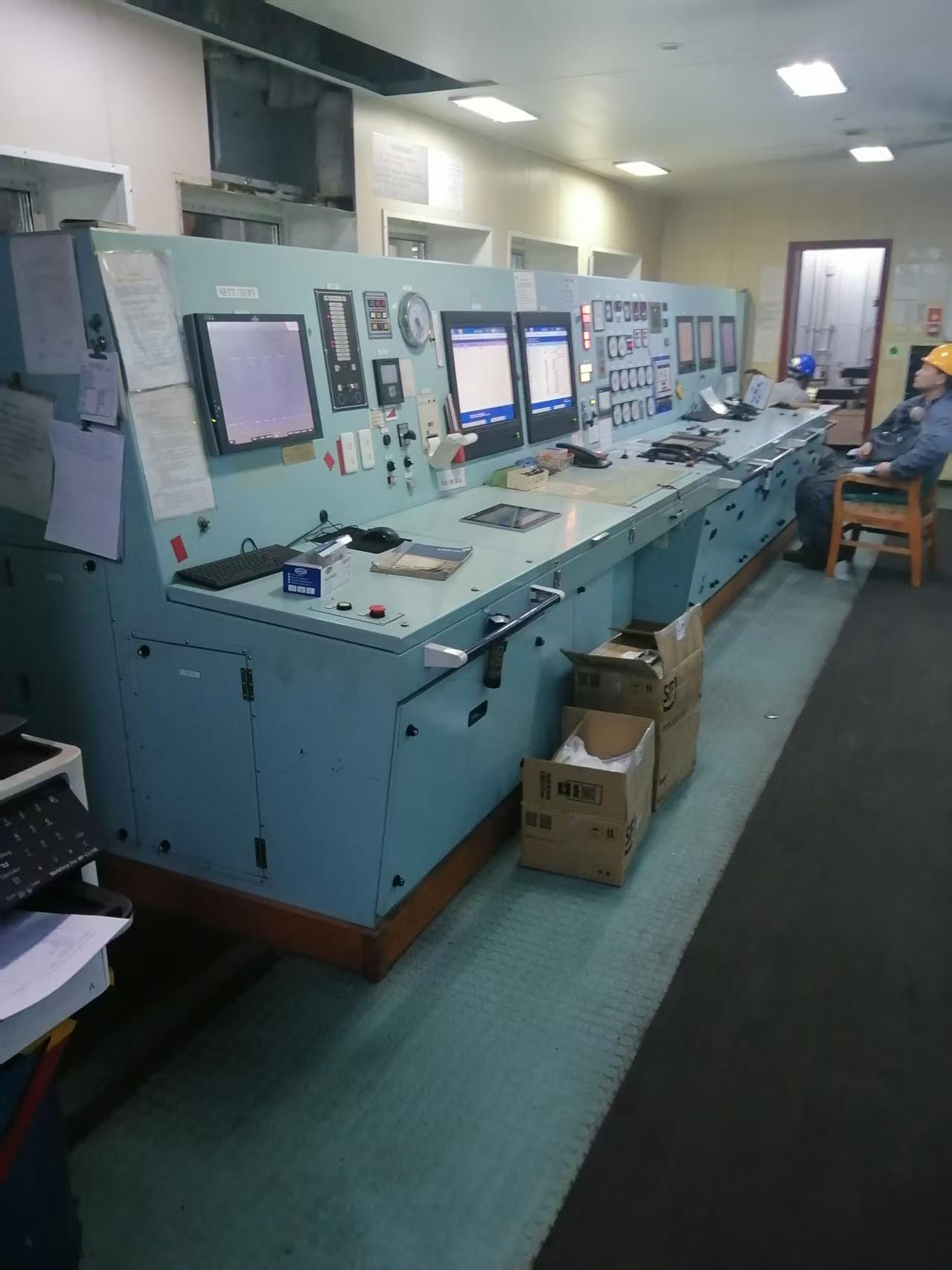
The blue sea is not always friendly to ships and seafarers; instead, it is often harsh and unpredictable. Safe navigation relies heavily on the steady reliability of every onboard system, among which the ship generator control cabinet plays a vital role. It undertakes core functions including voltage regulation, load distribution, automatic paralleling, as well as overload and reverse power protection.
It is well known that minor circuit faults in the control cabinet can escalate rapidly. They may cut off power to propulsion, navigation and communication systems exactly when precise maneuvering is most critical. For instance, an undetected insulation fault or loose terminal connection can lead to unexpected generator shutdown, leaving the vessel dead in the water in narrow channels or crowded ports. Initial minor faults will gradually evolve into severe system failures over time.
It is inevitable that onboard equipment operates under harsh cabin conditions of high temperature, high humidity and strong vibration, which easily induce various faults and even complete power station collapse. Therefore, proactive maintenance measures — such as periodic busbar thermal imaging, real-time voltage imbalance monitoring and redundant PLC logic verification — are never optional extras. They are essential safeguards against blackouts that endanger vessel safety, crew lives, cargo property and the marine ecological environment.
PART II — Serialized Fault Descriptions and Corresponding Solutions
The following troubleshooting solutions are formulated based on the main components of the control cabinet, including contactors, intermediate relays, terminal blocks and protection modules.
2.1 Terminal Block Loose Wiring & Sparking
Fault Description
(1) Slight burning smell inside the cabinet, with visible sparks and black burn marks on wiring terminals
(2) Unstable control circuit voltage, generator intermittent operation and unexpected random shutdown
(3) Obvious looseness when gently pulling terminal wires.
Recommended Solutions
(1)Shut down the equipment and cut off power, then retighten all terminal wiring in accordance with standard torque requirements
(2) Polish oxidized and blackened terminal contact surfaces for repair where applicable; directly replace severely burned terminal blocks
(3) Install anti-loosening washers for key control circuits to prevent re-loosening caused by mechanical vibration.
2.2 Contactor / Relay Contact Ablation & Poor Contact
Fault Description
(1) The generator fails to start or stop upon command with no response from control signals
(2) Main contactor operates with abnormal noise and jitter accompanied by excessively high coil temperature
(3) Severe load current fluctuation, even phase-loss operation.
Recommended Solutions
(1) Disassemble the contactor housing, polish ablated contacts with professional tools; replace the contactor directly if contacts are severely damaged
(2) Inspect contactor coils and springs to ensure reliable closing and opening action; aging caused by harsh operating environment shall be checked regularly
(3) Measure the on-off resistance of relay contacts in control circuits, and replace faulty relays in a timely manner.
2.3 Protection Relay Misoperation / Refusal to Operate
(Overload / Reverse Power / Undervoltage, etc.)
Fault Description
(1)Generator trips and shuts down unexpectedly under normal operating load (misoperation)
(2) Protection function fails to activate under severe overload or reverse power condition, resulting in unit damage
(3) Large deviation between actual protection action value and preset value, unable to provide effective protection.
Solutions.
(1) Calibrate protection relay action values regularly in accordance with classification society standards to ensure errors are within allowable ranges, without interfering with normal system operation
(2) Replace relays directly if calibration fails or operation is unstable; keep sufficient spare relays onboard
(3) Record all calibration data and establish complete maintenance records to predict action value drift in advance; crew shall keep detailed records as required.
2.4 Control Circuit Insulation Degradation, Grounding & Short Circuit Risks
Fault Description
(1)Low insulation resistance detected during routine tests, or intermittent grounding alarms occur
(2)Frequent circuit tripping without obvious visible fault points
(3)Fault symptoms become worse in humid weather or when the vessel is rolling.
Solutions
(1) Regularly test control circuit insulation resistance with a 500V/1000V megohmmeter; conduct immediate troubleshooting if readings are below standard values
(2) Replace aged cables with damaged insulation in a timely manner or fit insulation sleeves; most faults originate from cable aging
(3) Clean dust and oil contamination inside the cabinet, block condensation paths, and install dehumidification devices when necessary.
For your reference that vessels experiencing generator control panel issues, power instability during high-load conditions can contribute to engine overheating. For more detailed troubleshooting guidance, please refer to our guide: 《Bulk Carrier M/E High Temperature Alarm Troubleshooting》.
Besides the above troubleshooting case, below we have more useful troubleshooting case for wide sharing:
(1)When abnormal insulation and circuit tripping frequently appear on your generator distribution board, sudden generator shutdown failures may happen under full load.
You can check complete emergency handling plans in Bulk Carrier Generator Emergency Breakdown Repair Cases for on-site rapid troubleshooting steps.
(2) Long-term aging of distribution panel internal circuits will trigger recurring power supply faults.
View full field maintenance standards in Marine Generator Sudden Shutdown On-site Remedial Procedures.
(3) If unstable power output from the generator interferes with main engine signal transmission,
check our core technical case: Main Engine ECU Emergency Fault Diagnosis for Bulk Carriers.
PART III — Conclusion
The safety and confidence of ship navigation come from seafarers’ professional skills, as well as the reliable performance of all onboard equipment and systems.
Timely daily maintenance and minor fault troubleshooting can eliminate potential risks in advance and greatly reduce the occurrence probability of severe equipment failures. It enhances the ship’s capacity to navigate safely in extreme sea conditions, avoids maritime accidents, protects vessels, lives and property, and preserves the marine ecological environment.
Therefore, with more diligence, responsibility, care and professionalism in daily work, our ships will sail more safely, and the marine environment will be better protected.
We provide professional maintenance services for marine generator control cabinets, including component inspection, fault diagnosis and system commissioning. We fully safeguard the stable operation of ship main power stations and avoid total blackout accidents caused by control circuit faults.



 +8615005328513 (wechat ) +8613606393913 (Whatsapp)

 No. 8888, Huangshan Road, Huangdao District, Qingdao City, Shandong Province, China.